Construction Construction Company: Merging Quality with Affordability
Construction Construction Company: Merging Quality with Affordability
Blog Article
The decision to pick the right home builder is vital for anyone eager to realize their vision of a perfect home. A strong partnership with a qualified builder can facilitate a hassle-free experience from the planning stages to the project's conclusion. With numerous options ranging from regional contractors to specialized companies, grasping these details can help clarify your choice. This all-encompassing guide will delve into the fundamental elements of engaging with a home builder, the types of contractors available, and tips for navigating your possibilities effectively at this website. The primary role of a home builder is to construct residential properties, covering both new constructions and extensive renovations. They partner with architects and clients to bring design ideas into reality. Home builders not only engage in construction activities but also supervise the entire project, ensuring all components are organized, including subcontractor services for plumbing, electrical work, and landscaping. When it comes to selecting a home builder, understanding their preferred style is essential. Some builders focus on custom homes, providing more opportunities for personalization, whereas others might stick to established designs. Make sure to check on their licensing and insurance status to protect both yourself and the builder throughout the process. Additionally, research about the various custom building options present in your area. Contracts are an indispensable part of any construction initiative. They clearly define the work scope, timelines, and payment schedules. An effectively written contract can mitigate disputes and cultivate open lines of communication between you and your builder. It's important to ensure your contract details every task and price to prevent misunderstandings. To safeguard your investment, consider the advantages of consulting an attorney during the contract review process to guarantee all legal aspects are thoroughly covered. There are several types of home builders to consider, each serving different needs. Custom home builders focus on personalized homes, allowing clients to have a significant role in the design and build process. Production builders, on the other hand, construct multiple homes within a community with set designs, which can be more cost-effective. Specialized builders may offer services such as green building options or luxury home builds, which cater to specific audiences. It's vital to assess your requirements and budget before deciding which type of contractor aligns best with your vision. Regardless of the type, make sure any builder you approach has strong references and a solid reputation in the industry. The costs associated with building a home can vary widely based on location, size, materials, and complexity of the project. On average, most home builders charge between $100 to $200 per square foot, but this can fluctuate significantly. This pricing typically includes labor and materials but be wary of additional costs that may arise during the building process. Creating a detailed budget is crucial. Factors such as site preparation, permits, and possible contingencies should be included in your financial calculations. An experienced builder can help provide a breakdown of expected costs and assist you in prioritizing expenditures. Having a thorough understanding of your budget can help in making informed decisions throughout the construction process. For an extensive overview of the home building process, the entry on home construction on Wikipedia offers valuable insights. Developing a positive relationship with your home builder can significantly enhance the building experience. Clear communication and trust are vital.Steps to Choosing the Right Home Builder
Exploring the Duties of a Home Builder
The Value of Contracts and Agreements
Types of Home Builders
Budgeting for Your Home Build
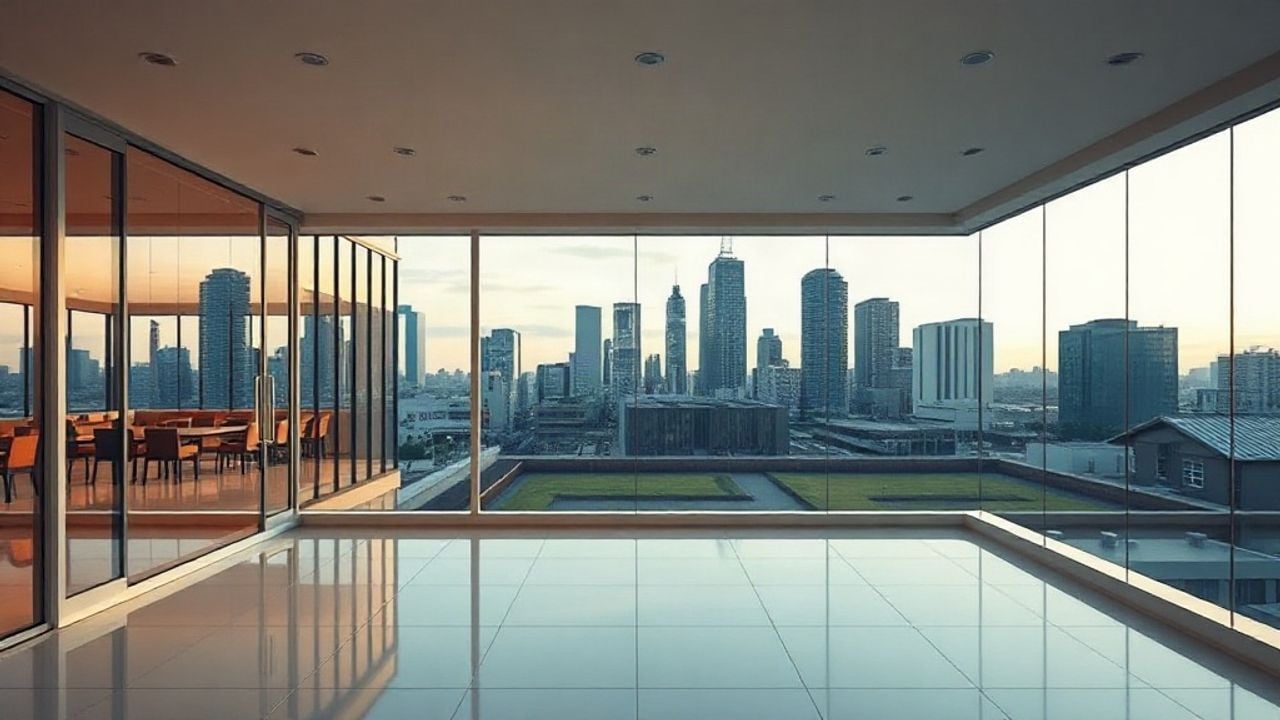 Truckee Custom Home Builderremodeling general contractors near me
Tips for Working with Your Builder
Home Builder
Frequently Asked Questions
What is a Home Builder?
A home builder is an expert dedicated to the construction of residential buildings, which can include new builds or significant remodeling work.
How do I choose a Home Builder provider?
Selecting a home builder requires thorough research on their qualifications, evaluating experience, conducting personal interviews, and comparing pricing to discover the most suitable option for your needs.
How much does Home Builder cost?
Costs can greatly fluctuate, with typical rates falling between $100 and $200 per square foot, influenced by factors such as location, materials, and building specifications.
What should I look for in a Home Builder?
It’s essential to evaluate qualifications, experience, a solid reputation, and the builder’s capacity to understand and realize your visions into the construction process.
How long does it take to build a home?
The duration required to complete a home can differ depending on aspects like the complexity of design and prevailing weather conditions, generally taking between six months and a year for full completion.
When evaluating Home Builder, emphasize tangible outcomes, transparent reporting, and whether their methodology aligns with your market and schedule. Be cautious of vague commitments lacking a clear measurement strategy.
Investigate how progress is monitored, clarify what services are standard versus optional, and understand how the provider adapts strategies for rankings or traffic lulls. Having a written agreement prior to payment is essential for both parties’ protection.
Partnering with the right home builder can significantly impact the success of your project. By taking the time to carefully research and understand the process, you can create a home that meets your needs and exceeds your expectations.
Engaging a reliable contractor can transform your vision into reality while cultivating a smooth building experience. Make your selection wisely, and enjoy the journey of home building.